For creating high-quality 3D content, it needed to take a mixture of technical expertise, artistic ability as well as a significant amount of time. Designers manually sculpted shapes applied textures, adjusted lighting, and created files to be used on various platforms. Artificial intelligence has changed the way they work. Modern software powered by AI are able to create 3D models rapidly. The process usually begins with a text prompt or simple photo.
This trend is creating 3D design more accessible to both beginners and professionals which opens the way for speedier production and more creative experimentation.
From image to 3D Model in just minutes
One of the most impressive advancements in this field is the image-to-3D model technology. Instead of making objects from scratch technology analyzes images and detects patterns as well as depth, and transforms them into a fully usable 3D asset.
This is particularly useful in industries that depend on speed and visual accuracy. Architectural professionals can visualize structures before they begin the construction process, while product designers and game developers can quickly create prototypes. Marketers and educators alike are discovering the value of being able to turn visual concepts into interactive 3D media.
The savings in time are substantial. What was once a long process of texturing, modeling, and optimization can now happen in a fraction of time which allows teams to concentrate on refining their ideas instead of constructing every aspect manually.
AI 3D modeling is growing in popularity
AI 3D modeling tools are growing in popularity due to their ability to simplify processes. Artificial intelligence systems that are developed on large databases can produce realistic shapes and materials with accuracy and consistency.
This speed improves not only productivity, but also creativity. Designers can rapidly test various variations of the same concept then compare the results to select the best one. This process of rapid iteration has become essential to industries such as virtual reality, film production, and advertising.
Accessibility is a major advantage. Modern platforms allow users to make professional-quality images even if they have little or no 3D knowledge.
seamless integration into professional workflows
Compatibility is just as important to professionals as speed. Modern AI platforms for 3D models have been developed to seamlessly integrate with existing pipelines. Models can be exported in various formats that are supported, including FBX, OBJ, GLB, STL, and USDZ which makes them simple to integrate into game engines, rendering software, as well as 3D printing systems.
Asset libraries that are organized also play crucial roles in efficient production. The ability to search and find every model generated assists teams in managing projects. Filtering files by tags and downloading them in bulk and accessing older versions fast can cut down on hours of administrative tasks.
Security and privacy features are also becoming standard which allows creators to keep their generated assets secure and ready to be used immediately for creative or commercial projects.
AI Tools for Precision and Control
A common misconception is that automation removes control, but modern AI for 3D modeling tools often include detailed adjustment features. Users can set precise measurement, pivot points or guarantee the proper positioning of objects within scenes. These capabilities are essential for simulation, animation and architectural visualization, where precision is crucial.
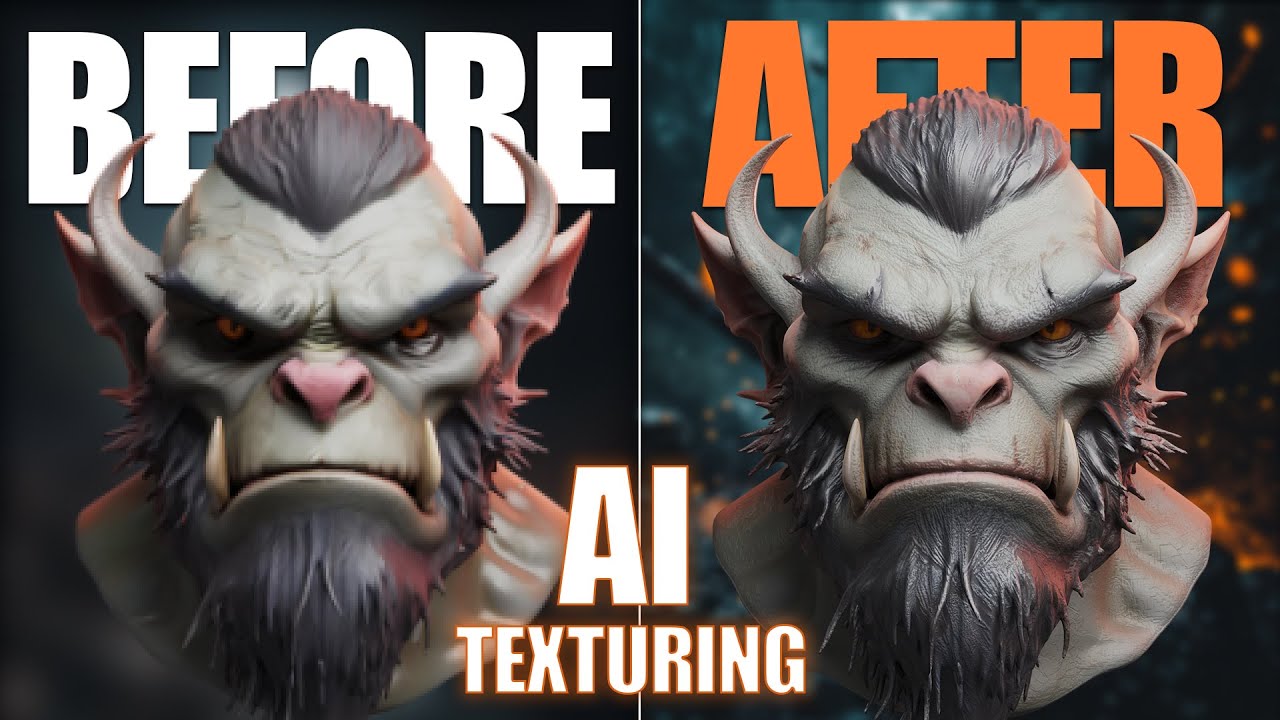
Artificial intelligence can also assist with the generation of textures, which allows creators to create realistic material quickly. This means that there is no need to paint manually while maintaining a an excellent texture.
Future of 3D Model AI
As artificial intelligence continues to advance, the possibilities for 3D model AI will increase further. Advanced systems may be able to create whole environments, optimize assets automatically and adapt models to different platforms without the need for additional steps.
The platforms are already demonstrating how powerful they can be. 3D AI Studio, the most powerful 3D asset studio is this latest generation of software designed to simplify workflows, speed up the creation process and assist creators go from an idea or concept to a finalized model with minimal effort.
Conclusion
How digital content is created is changing as the ability to move from idea to finished product quickly has changed. Creators do not have to be confined by manual workflows. With the help of advanced AI 3D modeling tools and 3D modeling technology They can go from concept to finished product quickly.
As the technology advances and advance, they will have a bigger impact on industries that range from entertainment and gaming to engineering and education which will make high-quality 3D creation easier, more effective, and more accessible more than ever.